
There's a particular kind of pool owner frustration that comes from doing everything "right" and still ending up with water that smells sharp, stings your eyes, or just won't quite sparkle. Chances are the pool doesn't need more chlorine day to day. It needs shocking. Knowing how to shock a swimming pool properly, and understanding why the process works, is one of the most useful skills any UK pool owner can pick up.
This guide covers when a shock treatment is genuinely needed, exactly how much product to use for your pool's volume, and the step-by-step process for doing it safely. Whether you're dealing with cloudy water, a lingering chemical smell, or simply opening the pool for the season, you'll find clear, UK-specific guidance here rather than generic advice built around American products and gallons.
What Does Shocking a Pool Actually Mean?
Shocking a pool means adding a large, deliberate dose of chlorine (or occasionally a non-chlorine oxidiser) to rapidly raise the free chlorine level far above normal maintenance levels. It's sometimes called superchlorination. The aim isn't simply to add more sanitiser. It's to overwhelm and destroy the contaminants that everyday dosing can't keep up with.
Every pool accumulates organic waste from swimmers: sweat, skin cells, sunscreen, saliva and body oils. Normal chlorine levels handle this steadily, but when chlorine reacts with these contaminants it forms compounds called chloramines, also known as combined chlorine. Chloramines are far weaker sanitisers than free chlorine and are the actual source of that sharp "chlorine smell" people associate with poorly maintained pools. Well-balanced pools barely smell of chlorine at all.
Shocking pushes the free chlorine level high enough to break those chloramine bonds apart entirely, a process called breakpoint chlorination. Once broken down, the nitrogen compounds are released as harmless gas and the chlorine goes back to sanitising properly.
When Should You Shock Your Pool?
Shocking isn't a once-a-season job. It's a response to specific signs and situations. Most UK domestic pools need shocking every one to two weeks during the swimming season, with more frequent treatment during hot spells or heavy use.
Routine Timing
- Weekly to fortnightly during the main swimming season (May to September)
- When opening the pool for the season, as part of your seasonal pool opening routine
- Before closing the pool for winter, to prevent contaminants overwintering in the water
Signs Your Pool Needs Shocking Now
- A strong "chlorine" smell (a sign of chloramines, not too much chlorine)
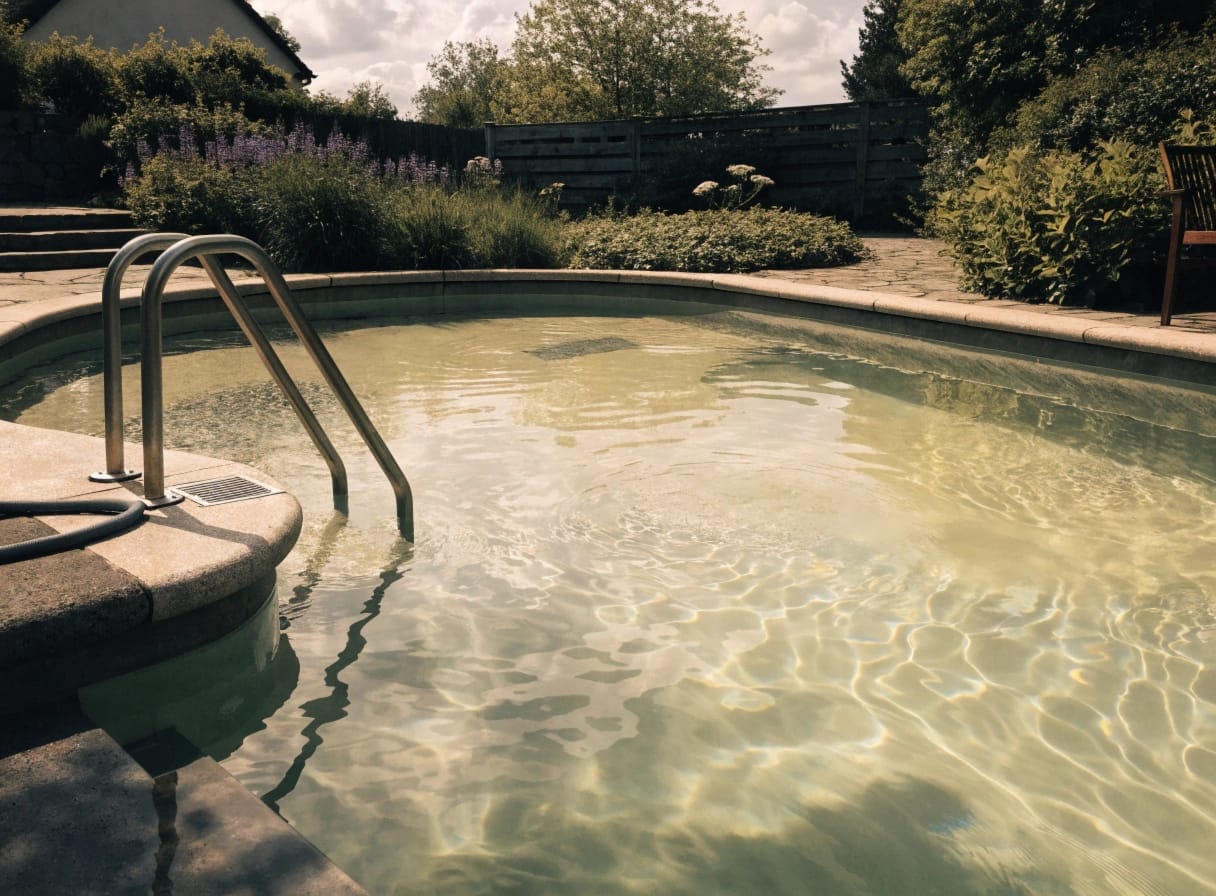
- Cloudy or hazy water, even after checking pH and alkalinity
- Stinging eyes or irritated skin after swimming
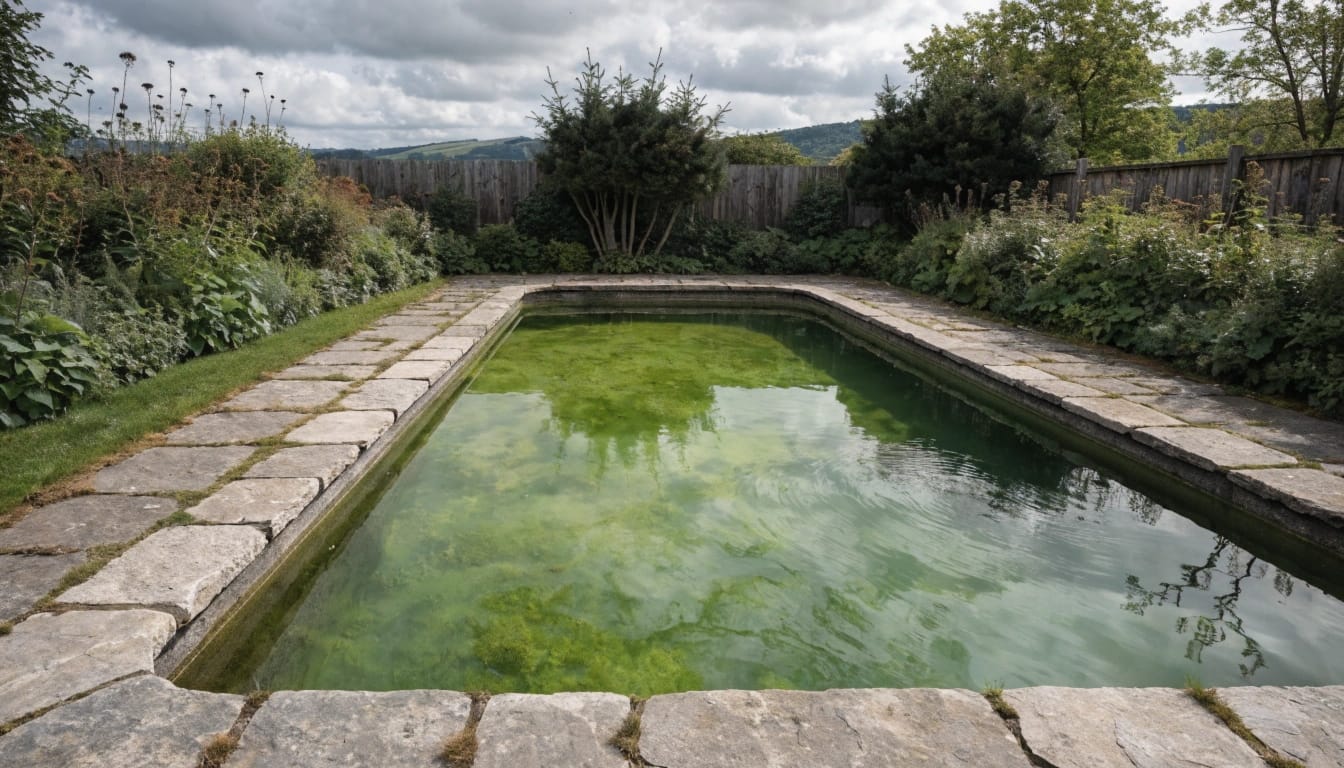
- Visible algae growth, whether green, yellow or black
- After heavy bather load, such as a pool party or several consecutive days of use
- Following a storm or heavy rainfall, which introduces organic debris and dilutes chlorine
- Combined chlorine reading 0.5 ppm or higher on a DPD test kit
If your water has already turned visibly cloudy, our guide on diagnosing and clearing cloudy pool water covers the wider causes in more depth, since shocking is often only part of the fix.
How Much Shock to Use: The Calculation
Getting the dose right matters more than people expect. Too little and the chlorine gets consumed before it reaches breakpoint, leaving you with the same cloudy, smelly water and a false impression that shocking "doesn't work." Too much wastes product and extends the time before the pool is safe to use.
There are two situations that call for different calculations: routine or maintenance shocking, and breakpoint shocking to clear an existing chloramine problem.
Routine Shock Dose
For a standard maintenance shock, the aim is to bring free chlorine up to around 10 ppm. Using unstabilised calcium hypochlorite granules (the standard UK shock product), the dosing rate is approximately 2 grams per 1,000 litres of pool water for every 1 ppm increase required.
Breakpoint Shock Dose (For Chloramine or Algae Problems)
When you're dealing with a genuine chloramine or algae problem rather than routine maintenance, the calculation changes. The generally accepted rule for breakpoint chlorination is to add enough free chlorine to reach roughly ten times your combined chlorine reading. So if your DPD test shows 0.8 ppm combined chlorine, you're aiming to raise free chlorine to around 8 ppm above your current level.
Pool Shock Dose Calculator
Pool Shock Dose Calculator
Choosing the Right Shock Product
UK pool owners typically choose between a small number of shock treatment types. Each has a different role.
| Shock type | Strength | Best for | Notes |
|---|---|---|---|
| Calcium hypochlorite granules | Approx. 65–70% available chlorine | Algae outbreaks, routine shocking, unstabilised so won't unbalance cyanuric acid | Must be pre-dissolved in a bucket, never added dry |
| Non-chlorine (oxygen) shock | Potassium monopersulfate based | Routine oxidising without raising chlorine, shorter swim wait | Doesn't kill algae or replace chlorine, used alongside your normal sanitiser |
| Stabilised chlorine granules | Contains cyanuric acid | Pool start-up dosing, general sanitising | Repeated use raises cyanuric acid over time, test periodically |
How to Shock a Pool: Step-by-Step
1. Test Your Water First
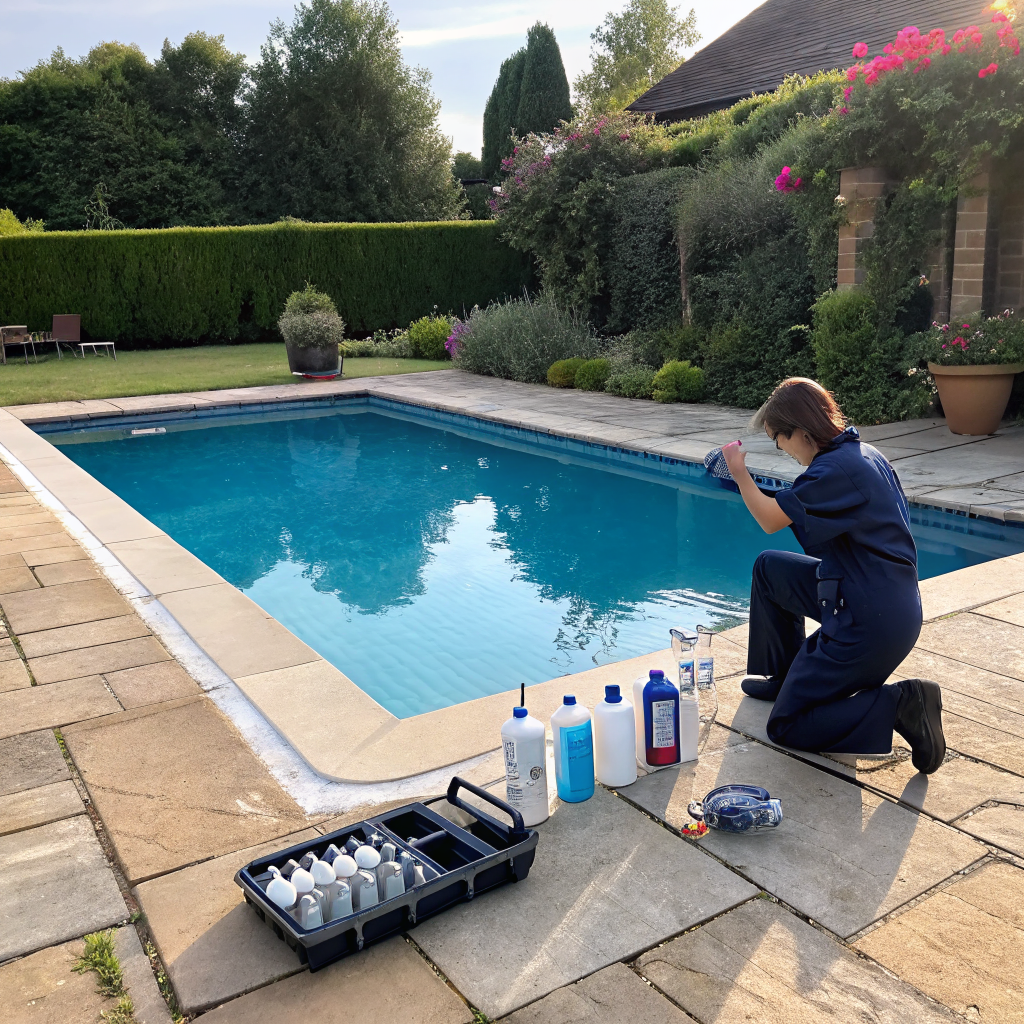
Take a water sample from elbow depth, away from the return jets, and test free chlorine, combined chlorine, and pH. Your pool water chemistry guide covers testing methods in detail if you need a refresher. pH should sit between 7.2 and 7.6 before you shock. Chlorine is far less effective outside that range, so correcting pH first isn't optional; it's the difference between a shock that works and one that doesn't.
2. Clean the Pool and Filter
Skim debris, brush the walls and floor (especially if algae is present), and backwash or clean your filter before dosing. A dirty filter consumes chlorine as water passes through it, reducing the effective strength of your shock treatment.
3. Calculate and Pre-Dissolve the Dose
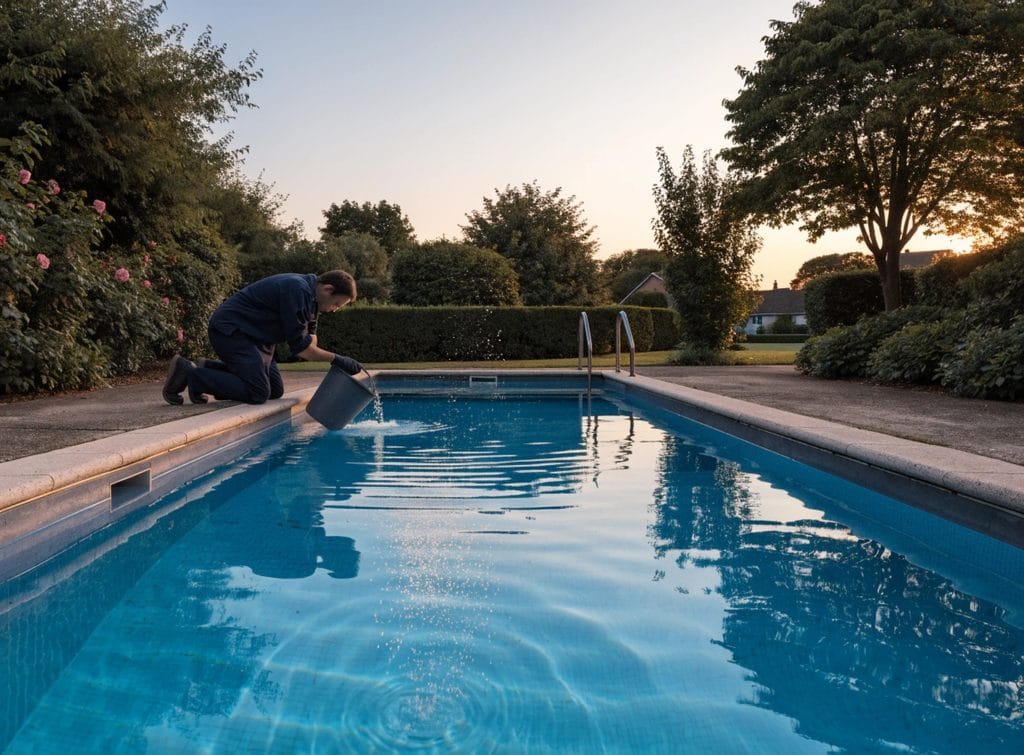
Use the calculator above to work out your dose. Fill a clean bucket with water, then add the granules to the water, stirring until dissolved. Never add water to the chemical granules; always add the chemical to the water.
4. Add the Shock in the Evening
Dose at dusk or after dark, with the pump and filter running. UV light from direct sunlight breaks down chlorine quickly, so shocking during the day wastes a significant portion of your dose. Pour the dissolved solution evenly around the pool perimeter, standing upwind.
5. Run the Filtration System
Keep the pump running continuously for at least six to eight hours after dosing, ideally overnight. This circulates the chlorine evenly and gives it time to complete the breakpoint reaction.
6. Brush and Vacuum
If you were treating algae, brush the affected surfaces again the next morning to loosen any remaining growth, then vacuum the debris from the pool floor.
7. Retest Before Swimming
Test free chlorine again before anyone gets in. As a general guide, it's safe to swim once free chlorine has dropped back to around 1 to 3 ppm, which typically takes 8 to 24 hours depending on your starting dose and how much sunlight the pool gets. Never rely on a fixed time estimate alone; always retest.
Common Mistakes to Avoid
Shocking during the day
Sunlight burns off chlorine fast. A daytime dose can lose most of its strength before it's had a chance to work.
Ignoring pH first
Chlorine's sanitising power drops sharply outside 7.2 to 7.6 pH. Balance this before you dose, not after.
Under-dosing
A dose too small to reach breakpoint just adds to the chloramine problem instead of solving it.
Adding granules dry
Undissolved granules can bleach liners and vinyl surfaces. Always pre-dissolve in a bucket first.
Swimming too soon
Retest rather than guess. High chlorine levels can irritate skin, eyes, and swimwear.
Mixing chemical types
Combining stabilised and unstabilised chlorine, or chlorine with other pool chemicals, can cause a dangerous reaction.
Safety When Handling Shock Chemicals
- Wear gloves and eye protection when handling concentrated granules
- Store shock treatment in a cool, dry, well-ventilated place, away from children and pets
- Never mix different chemical types together, even briefly
- Only buy enough shock to last one season; the chlorine gradually degrades its own packaging over time
- Keep the area well ventilated while dosing, and stand upwind when pouring
Need Help with Pool Water Chemistry? DP Pool Services Can Help
Whether you need a one-off shock treatment sorted properly or want a professional to handle your water chemistry all season, DP Pool Services has been caring for pools across Bedfordshire, Hertfordshire, Buckinghamshire, Essex, Cambridgeshire, Northamptonshire and Greater London for over 30 years.
We offer regular chemical balancing, seasonal opening and closing, and full maintenance visits, all carried out by our experienced, SPATA-registered team.
Call us on 07748 142023 or get in touch online for a free, no-obligation quote.
Frequently Asked Questions
How often should I shock my pool?
Most UK domestic pools need shocking every one to two weeks during the swimming season, and weekly during periods of heavy use or hot weather. The "When Should You Shock Your Pool?" section above covers the full list of triggers, from routine timing to warning signs like cloudy water or a strong chlorine smell.
Can I shock my pool during the day?
It's best avoided. UV light breaks chlorine down quickly, so a daytime dose loses much of its strength before it can work. Always shock in the evening or after dark.
How long after shocking can I swim?
Once free chlorine has dropped to between 1 and 3 ppm, which usually takes 8 to 24 hours. Always retest rather than relying on a fixed time.
Will shocking my pool get rid of algae?
Yes, in most cases, though stubborn or established algae blooms sometimes need a repeat treatment alongside brushing and good filtration to fully clear.
Why does my pool still smell of chlorine after shocking?
A lingering smell after shocking usually means the dose didn't reach breakpoint. This is often caused by under-dosing, poor pH balance, or dosing during daylight when chlorine burns off too quickly.
What's the difference between chlorine shock and non-chlorine shock?
Chlorine shock (calcium hypochlorite) raises free chlorine and can kill algae and bacteria outright. Non-chlorine (oxygen) shock oxidises contaminants without raising chlorine levels, but doesn't replace your regular sanitiser.
Do I need to shock a new pool before first use?
Yes. A booster dose when the pool is first filled helps eliminate any bacteria or contamination introduced during filling, before regular swimming begins.
Can I use too much shock?
You can, though a slightly high dose isn't dangerous to the pool itself; it simply extends the wait before it's safe to swim. Stick to the calculated dose where possible to avoid unnecessary waste.
Key Takeaways
- Shocking raises free chlorine far above normal levels to destroy chloramines and kill bacteria or algae that routine dosing can't handle
- Balance pH to 7.2–7.6 before shocking, since chlorine works far less effectively outside that range
- Always dose in the evening, with the filter running, and pre-dissolve granules in a bucket first
- For breakpoint chlorination, aim for roughly ten times your combined chlorine reading
- Retest before swimming rather than guessing based on time alone
- If in doubt, a SPATA-registered technician can test and balance your water professionally
Related Articles
- Why Is My Pool Green? Causes, Fixes and Prevention: a full breakdown of algae causes and treatment beyond shocking alone
- Swimming Pool Water Chemistry: A Complete Guide to pH, Chlorine & Alkalinity: the foundations every shock treatment depends on
- Why Is My Pool Cloudy? How to Diagnose and Clear Cloudy Swimming Pool Water: for when shocking alone doesn't solve the problem
0 Comments